
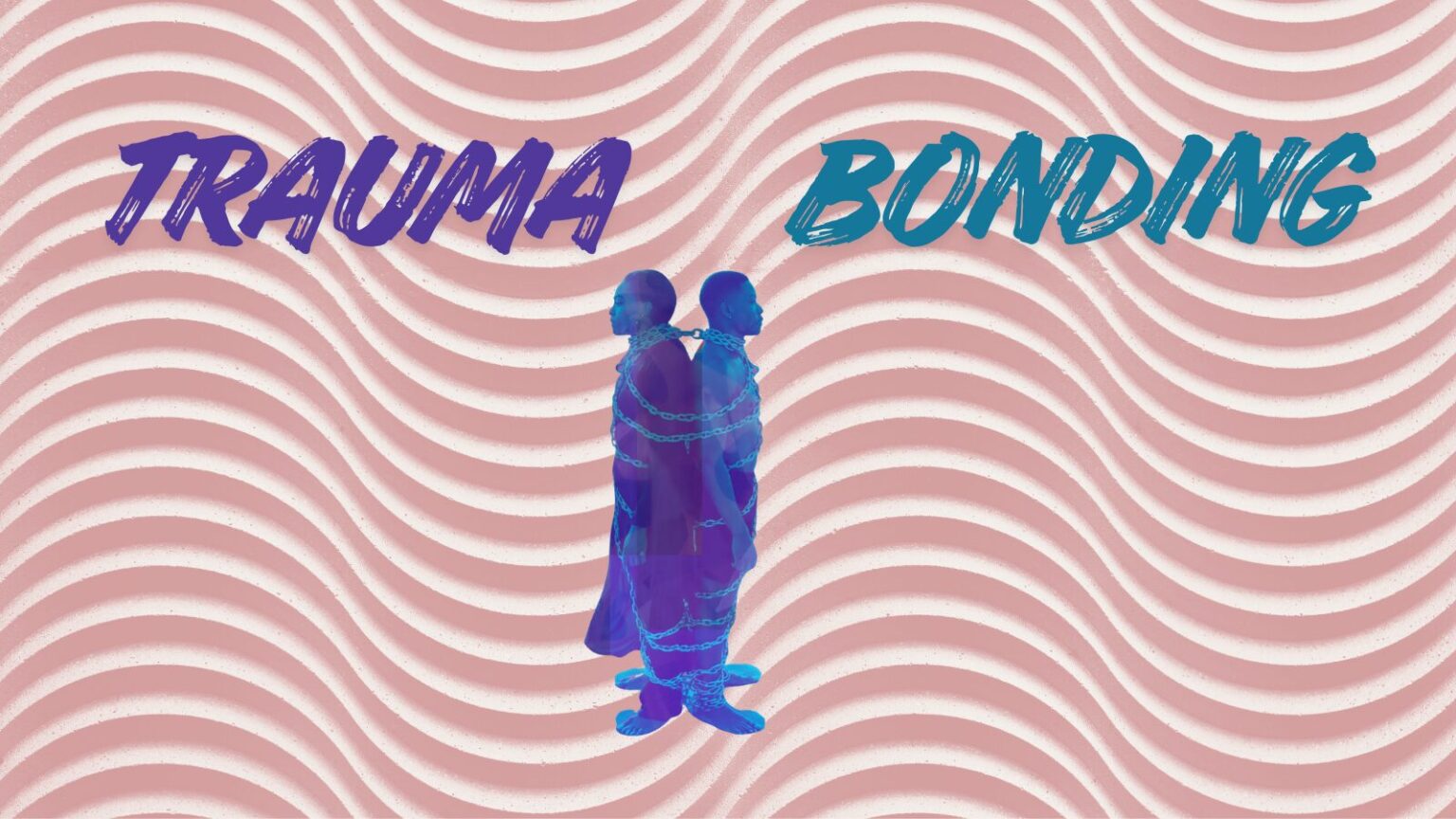
Reentering society after long term incarceration is a challenging journey filled with opportunities for growth, self-discovery, and healing. However, it also presents risks, particularly when it comes to forming new relationships. I have gathered this information from my lived experience as a returning citizen after 25 years inside and expertise as a trauma informed peer reentry specialist and peer recovery coach.
I will be the first to tell you that I was not fully prepared for what awaited me upon release. One of my biggest barriers was not acknowledging that I was very vulnerable — a new fish on a bigger and more sophisticated yard than the one I left behind. And there are people in society, no matter how innocent they make it seem, who are preying on our vulnerabilities and our newness. We all want to get out and hit the ground running and sometimes this can run us in the arms and company of the wrong people. Therefore it is of the utmost importance we grace ourselves with the appropriate time and guidance, to not only assess ourselves, but the larger society and the people within it. The ability to properly assess people and situation is crucial for your success, especially if you are still under parole or probation.
While inside most of us longed for romantic companionship for years. Once we are free this is one of the most powerful urges men and women have. Other powerful urges are the need to belong to family and community, making a living, and seeking a place to stay on our own. What increases opportunities of fulfilling any of our desires is having the ability to create good relationships (romantic, family, friends, and business). This can be extremely difficult to acquire without the proper time of trial and error experience and guidance.
The facts are that we do not really know anyone upon our release, this includes family and loved ones, despite their contact with us while we were inside. This fact should be alarming to you because there are a lot of unhealthy people in society. Their unhealthy issues could be mental challenges, drama queens and kings, manipulators, and flat out phonies. They will appear in all ethnicity and genders. The many different people that you will encounter will not look close to all the criminal convicts you were around while inside. Which is the reason why we are sharing Understanding Healthy relationships & Avoiding Trauma Bond relationships as much as we can throughout your reentry and recovery journey.
The reentry/recovery process is a mental challenge in of itself due to the pressures unrealistic expectations of ourselves and society, over mental & physical stimulation, unforeseen triggers, disappointments, and parole/probation supervision. All of us have experienced trauma, such as incarceration and solitary confinement, not to mention the traumatic experiences prior to incarceration. Therefore, understanding the dynamics of trauma bonding is crucial for maintaining a healthy path through the reentry process; which is a life long recovery process. Trauma bonding can ensnare you in unhealthy relationships, and will jeopardize your. recovery, reentry and overall path to success.
What is Trauma Bonding?
A trauma bond is an experience that bonds two people together who have been through a traumatic event. You feel closer with each other because you have been through a traumatic experience together. Here are a few trauma bonding examples:
Siblings are bonded due to their shared traumatic experience growing up with an abusive parent..
Friends are bonded due to their shared traumatic experience of surviving a drive by shooting..
A family is bonded due to their shared traumatic experience of watching a loved one be convicted in a courtroom, sentenced, sent to prison, spend years in prison, and then released back into society.
There are three phases of traumatic checkpoints throughout your prison experiences that enhances trauma bonds:
Entry: This phase of trauma is when you and your loved ones first go through the trial or plea bargain process, which ends in you being sentenced to prison. This experience is very traumatic to you and loved ones.
Doing Time: This traumatic phase is when you are adjusting to the prison environment. There can be a variety of different carcel experiences. Such as violence (guards, prisoners, and gangs), substance use, solitary confinement, loss of loved ones in society, feelings of (abandonment, hopelessness, betrayal, guilt, shame, rage, and uncertainty), and institutionalization. Oftentimes family members and loved ones feel like they are incarcerated with you.
Reentry: This traumatic phase comes with the uncertainty of returning back into society and having to adjust to a different world than the one you left years prior. Reentry is coupled with many overlaying barriers that can be difficult to adjust to and overcome.
Remember as a person reentering society you will automatically have a trauma bond with the people you spent time in prison with, family and friends who supported you while you were incarcerated, and to the criminal justice system itself. (See Post Incarceration Syndrome). Trauma bonding in of itself is not an unnatural experience, however, it can develop into an unhealthy attachment that forms between individuals, particularly when one person exhibits controlling and abusive behavior towards the other.
Be particularly observant of your interaction with family members and loved ones. Because oftentimes there are a lot of entitlement issues in the family dynamic. Due to their love for you and your well being, their entitlement to you can mistakenly over step your personal boundaries and misguide you. This behavior often starts in very subtle ways. Another aspect of the unhealthy side of trauma bonding with the people you did time with inside, is survivors’ guilt. Where you can be made to feel obligated to help those inside. Some of these friends made in prison will over-step your boundaries by guilt tripping you to do things for them.
Outside of those initial trauma bonds they can come from the people that you encounter in society. In order for it to be a trauma bonding relationship it has to be manufactured by manipulation, whether it’s done unconsciously or not. Typically the trauma bonding people in society are those who have not recovered from their own past traumas. Instead of getting the proper professional mental health care, they allow their trauma and their insecurities to dictate their relationships, which affects their victims much worse.
In addition, you must always consider your own unresolved trauma too. There is no way around the fact that you will automatically suffer some or all the elements of post incarceration syndrome: institutionalized personality traits, substance use disorder, PTSD, social sensory deprivation, antisocial personality traits. And you can very well create. trauma bonding relationships without even realizing it. Therefore, it is important that you acquire the proper support of therapy, counseling, and/or a peer support group. All of which to overcome and prevent your own trauma from harming yourself and others.
The cycle of trauma bonding typically includes dramatic highs and lows, creating a psychological dependency that feels familiar and, often by default, safe for them. How could anyone feel safe in such a chaotic relationship? Yes, familiarity. People are more comfortable with the devils they know, than ones they don’t. Recognizing this cycle is essential for anyone reentering society, especially former prisoners who lack community support and are in need to rebuild their lives and avoid situations that could lead back to old patterns of behavior of criminal activity and substance abuse.
Stages of the Trauma Bonding Cycle
- Love Bombing: In this initial stage, a potential partner may overwhelm you with gifts, affection, and attention, creating a false sense of connection.
2. Gaining Trust: Feeling special and valued, you may become reliant on this person for validation and care, mistaking their attention for genuine support.
3. Criticism and Devaluation: The relationship takes a turn as the individual begins to criticize and manipulate, instilling feelings of guilt and obligation.
4. Manipulation and Gaslighting: Tactics like gaslighting can distort your perception of reality, making you more dependent on them for emotional support.
5. Resignation and Loss of Self: You may start to lose your sense of identity, accepting abusive behavior as normal and feeling unable to resist it.
6. Emotional Addiction and Distress: The cycle of abuse and affection creates an emotional addiction, leaving you in a state of stress and anxiety. It’s like you’re are trapped in a loop:
They crying, argue, &/or physically abuse
They apology
They say “I can’t live without you!”
They love bomb you again
7. Repetition and Entrapment: The cycle repeats, reinforcing the bond and making it increasingly difficult to leave the relationship.
Why Unhealthy Trauma Bonds Are Formed
Intermittent Reinforcement: The unpredictability of affection and abuse triggers a psychological craving for emotional intensity, releasing dopamine. in the brain
Coping Mechanism: For those who have experienced trauma, forming a bond with the source of pain can feel like a way to exert control over their circumstances, releasing oxytocin in the brain, with promotes attachment and bonding
Recognizing the Manufactured Relationship Handcuffs & Shackles
It’s like invisible handcuffs & shackles bind you. The abuser manufactures a situation where it’s like they hit (mentally and/or physically) you, and you’re flying through space. You feel very insecure, worried, and even angry. Then the ball (you) wraps around the pole and for a brief moment, you feel relief. You feel safe again. Then the bind starts to unravel, and you begin feeling very uncomfortable. Then they hit you again, and it wraps around, and for a moment you feel safe. And you unravel again. To get out of their control, you have to detach yourself from the bind of invisible handcuffs & shackles.
The manufactured relational tether/handcuff/shackle is a concept that describes how an abuser creates chaos to increase dependency. They generate emotional distress and relief, creating a cycle where you rely solely on them for emotional security.
Many returning citizens have explained this situation as being in a new prison. There is no worse feeling than feeling like you are handcuffed & shackled while in society. For those of you who have experienced long term solitary confinement, you know the frustration of guards using a shackle leash to control how you move when escorted from the cell.
Understanding this dynamic can help you recognize when you might be caught in a toxic relationship.
Key feelings associated with the manufactured relational tether include:
Feeling dependent on the abuser for your emotional well-being
Experiencing confusion and frustration about the relationship
Struggling with feelings of unworthiness and shame regarding their behavior
Examples of Manufactured Relationship Tethers
An abuser might suddenly become distant, making you crave their affection. When they finally give it to you, it feels like a relief.
Frequent emotional highs and lows keep you off balance, making you dependent on the abuser for stability.
By isolating you from friends and family, the abuser becomes your sole source of emotional support.
Making you doubt your reality keeps you reliant on the abuser for “clarity.”
Over-the-top displays of affection followed by withdrawal create a cycle of craving and relief.
Get Leon Benson’s stories in your inbox
Join Medium for free to get updates from this writer.
Controlling finances makes you dependent on the abuser for basic needs.
Using your probation or parole as a means to control you.
Constantly undermining your self-worth makes you seek validation from the abuser.
The abuser creates problems only they can solve, making you feel grateful for their “help.”
Pushing your boundaries until you have none, making you feel like you can’t live without them.
Making themselves appear as the victim to elicit your sympathy and guilt.
Involving third parties to make you feel jealous or insecure.
Intermittent approval keeps you hooked, like a slot machine’s unpredictable rewards.
Acting loving in public but abusive in private confuses your perception.
Repeated promises to change that never materialize, keeping you hopeful.
Making you feel responsible for their abusive behavior.
Affection that’s given or taken away based on your behavior.
Creating standards you can never meet, making you constantly strive for their approval.
Manipulating or using your children to control you.
Using your criminal background as a means to control you.
Moving Forward Without Being Handcuffed to the Trauma Bond
1. Educate Yourself: Understanding betrayal trauma can clarify the differences between genuine connections and manipulative relationships. The more you know, the better equipped you are to recognize red flags.
2. Establish Healthy Boundaries: Learn to assert your needs and emotions clearly. Setting boundaries can protect your mental health and prevent falling into unhealthy patterns.
3. Seek Support: Open up to a safe person or join a support group where shared experiences and understanding can help you navigate your feelings and relationships responsibly.
4. Practice Radical Self-Care: Prioritize activities and practices that promote healing, self-love, and self-compassion. These can fortify you against falling back into unhealthy situations.
5. Stay Grounded: Focus on your goals for reentry into society. Maintaining a clear vision of your future will help you resist distractions that may lead back to chaotic or unhealthy relationships.
6. Health Proximity: Make it a point to surround yourself with healthy and good people. Typically people who display healthy ethics and principles to themselves and others, its highly likely that they reflect the same values to you.
7. Assess People in context: There are five ways to really assess someone’s character: 1) Can they keep a secret? 2) How do they behave around the opposite sex? 3) How do they act while in love? 4) How do they act with status (money, popularity, higher position)? 5) How do they act without status?
Context is everything. It takes time to see people fully in each of those ways. There are many other ways to assess the character of people you will encounter. This was a starting point to consider.
8. Self-Accountibility: you equally must be accountable and regulate your own traumatic responses to triggers. Many of these triggers will be new to you, yet it is still your responsibility to identify them as soon as possible and attempt to recondition them to healthier responses. If not, you will be the person creating the trauma bond and toxicity of the relationships you encounter.
Conclusion
As someone who is reentering society after incarceration, it’s vital to be aware of the potential for trauma bonding and emotional manipulation. Recognizing the signs and actively working to establish healthy relationships can pave the way for sustainable reentry and recovery. With a focus on self-education, self-care, and support, you can build a foundation that leads away from chaos and towards a fulfilling, stable life. Embrace this opportunity for change, and surround yourself with positivity and support as you journey forward.
Group Exercises To Consider
Navigating the Reentry and Recovery Process
1. Trauma-Bonding Experiences:
Description: Participants explore what trauma bonding means through guided discussions and reflections.
Goal: To identify signs of trauma bonding in their relationships.
Process: Start with a brief explanation of trauma bonding.
- Use a worksheet with scenarios that illustrate trauma bonding.
- Have participants reflect individually on whether they’ve experienced similar dynamics.
- Facilitate a group discussion, allowing participants to share insights and strategies for recognizing and breaking these bonds.
2. Stages of Trauma-Bonding Cycle Mapping:
Description: Visual mapping of trauma-bonding cycles.
Goal: To understand the cyclical nature of trauma bonding.
Process: Provide each participant with a blank cycle diagram.
- Guide them through naming each stage of the trauma-bonding cycle and encouraging them to fill in personal scenarios.
- Discuss how each stage impacts their emotions and relationships, highlighting ways to recognize and break the cycle.
3. Boundaries and Empowerment Workshop:
Description: Focus on recognizing toxic relationships and establishing healthy boundaries.
Goal: To empower participants to set personal boundaries.
Process: Introduce the concept of healthy vs. unhealthy boundaries.
- Allow participants to brainstorm personal boundaries they wish to implement in their lives.
- With partners, role-play scenarios where they practice asserting their boundaries effectively.
Sources:
“Trauma Bonding: Signs, Stages & Recovery,” Valley Hospital’s Mental Health & Chemical Dependency department, July 1, 2024
“The Second Sentence: Understanding Post-Incarcerated Syndrome: A. Guy for Formally Incarcerated Citizens,” Shelia Bruno, 2024
“Betrayal Trauma Recovery: Trauma Bonding Examples,” Anne Blythe, 2025